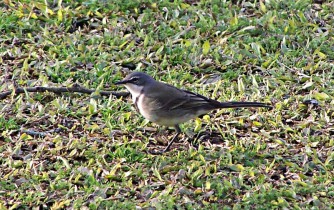

Wagtails: The Lively African Birds Known for Their Constant Tail-Wagging
Among the vast variety of birds that grace our planet, few are as charming or instantly recognisable as the wagtail. With their slender frames, energetic personalities, and the trademark tail that never seems to keep still, wagtails have long captured the hearts of bird lovers across the world. These charismatic birds bring movement, colour, and character to wetlands, grasslands, farms, and even our urban spaces.
Wagtails belong to the family Motacillidae, and their distinctive long tails, which constantly wag up and down, give them their name. Their vibrant plumage, agile movements, and cheerful calls make them a favourite among birdwatchers and nature enthusiasts.
What Makes Wagtails Unique?
Their Signature Tail-Wagging Behaviour
The most iconic feature of wagtails is their long, constantly bobbing tail. This movement is more than just a charming quirk—it plays a crucial role in their balance and agility while navigating their environment. The tail-wagging may also help flush insects from grass and foliage, making it easier for wagtails to spot and catch their prey, and can serve as a visual signal to other birds.
Plumage, Size, and Physical Adaptations
Wagtails are elegant, slender birds usually measuring between 15–20 cm in length, with a tail that often exceeds the length of their bodies. Their plumage varies significantly among species, from the classic black-and-white pattern of the Pied Wagtail to the vibrant yellows of the Yellow Wagtail. Males often display more vivid colours, especially during the breeding season, signalling health and genetic fitness.
They possess a slender, pointed beak perfectly adapted for catching insects, along with keen eyesight that allows them to detect tiny movements in grass or on water surfaces. Long legs and delicate toes help them run quickly on the ground and navigate muddy riverbanks, rocky shores, and open fields with ease.
Where Wagtails Live in Africa and Beyond
Wetlands, Grasslands, and Urban Habitats
Wagtails are versatile birds found across a wide range of habitats, from wetlands and riverbanks to urban gardens and agricultural fields. They thrive in areas that offer a reliable food source, especially near water, where insects and small invertebrates are abundant. Their preference for open spaces allows them to hunt effectively, as they can easily spot prey against the backdrop of grass or water.
In Africa, species such as the Cape Wagtail and African Pied Wagtail are familiar sights along streams, dams, lawns, and picnic sites. Urban areas have also become increasingly common habitats, with wagtails flitting about parks, gardens, and rooftops, demonstrating their remarkable ability to live alongside human development.
Migration Patterns and Global Distribution
Geographically, wagtails have a broad distribution, with different species inhabiting regions across Europe, Asia, Africa, and North America. The White Wagtail is widespread in Europe and Asia, while the Yellow Wagtail occurs in parts of Europe, Africa, and Asia. Many wagtail species undertake long migrations, travelling thousands of kilometres between breeding and wintering grounds, often timed with seasonal changes to exploit optimal feeding conditions.
Behaviour and Feeding Habits of Wagtails
Agile Hunters with Endless Energy
Wagtails are known for their energetic and playful demeanour. They often engage in acrobatic displays, darting through the air and hopping energetically around their habitats. Their feeding strategy involves a mix of running and short flights, allowing them to cover ground efficiently. They may pause in a “hunting stance,” remaining still for a moment before pouncing on unsuspecting prey.
Primarily insectivorous, wagtails feed on small insects, larvae, and other invertebrates. They are frequently seen foraging near water bodies or open fields, where they can quickly spot potential meals. Their agility and precision make them highly effective hunters and important contributors to natural insect control.
Social Dynamics and Group Foraging
Socially, wagtails can be quite gregarious. Outside the breeding season, they are often seen foraging in small groups, and during migration they may congregate in larger flocks. Their cheerful chirping and lively antics contribute to the vibrant atmosphere of their habitats. Group foraging not only improves feeding efficiency but also offers safety in numbers against predators.
Mating, Nesting, and Raising Chicks
Courtship Displays and Territory
Wagtail mating rituals are intricate and fascinating. During the breeding season, males engage in elaborate courtship displays to attract females, showcasing their vibrant plumage and performing aerial acrobatics. These displays often involve fluttering flights and distinctive calls that highlight their vigour and fitness. Females assess males based on these performances and the quality of their territory.
Nest Construction and Parental Care
Once a pair has formed, they begin nesting, typically selecting sites close to water sources. Nests are usually built in grassy areas, among rocks, or in sheltered man-made structures. The female is primarily responsible for constructing the nest from grass, moss, and other natural materials, and then lays a clutch of four to six eggs.
After the eggs hatch, both parents share the responsibility of feeding the chicks. The young wagtails grow rapidly and fledge within two to three weeks, leaving the nest to explore their surroundings. Parental care continues for several additional weeks, as adults teach fledglings essential survival skills. This cooperative breeding strategy enhances the survival rate of the chicks.
Conservation Status of Wagtail Species
Threats Facing Wagtails
The conservation status of wagtail species varies, with some populations facing significant threats while others remain relatively stable. Habitat loss due to urban development, agricultural expansion, and pollution poses major challenges. Wetlands, which are crucial for their survival, are particularly vulnerable to drainage and degradation, leading to a decline in suitable habitats. Climate change may also disrupt migratory patterns and breeding success.
Some species, such as the Yellow Wagtail, have experienced notable declines, prompting conservation efforts to protect their habitats and promote sustainable land-use practices. Reducing pesticide use and preserving wetlands are key steps in safeguarding these birds.
How Communities Can Help Protect Them
Engaging local communities in conservation efforts can lead to positive change. Citizen science projects, such as birdwatching and monitoring programmes, help gather valuable data on wagtail populations and inform conservation strategies. Supporting habitat restoration, protecting wetlands, and creating wildlife-friendly gardens all contribute to the long-term survival of wagtails.
Interesting Facts About Wagtails
Adaptability and Urban Survival
Wagtails are remarkably adaptable and have been observed thriving in environments ranging from rural farmland to bustling urban centres. Their ability to coexist with humans while maintaining natural behaviours speaks to their resilience and resourcefulness.
Vocalisations and Regional Dialects
Wagtails are known for their vocalisations, which vary between species and serve multiple purposes, including territory establishment and mate attraction. Their songs are often cheerful and melodious, adding an auditory charm to their visual appeal. Some species even have distinct regional dialects, further emphasising the diversity within the wagtail family.
How to Identify Wagtails in the Wild
Key Visual Markers
Spotting wagtails can be a rewarding experience. Look for a slim, long-tailed bird that constantly bobs its tail while foraging. Their long legs, slender bodies, and quick, darting movements on the ground make them easy to recognise. Plumage patterns help distinguish species: Pied Wagtails show striking black-and-white contrasts, while Yellow Wagtails display bright yellow underparts.
Best Times and Places to Spot Them
Early morning and late afternoon are often the best times to observe wagtails, as they are most active during these hours. Search near water bodies, open fields, farms, and urban gardens, where they frequently forage. With patience and a keen eye, you can enjoy the enchanting sight of wagtails in their natural habitat.
Why Wagtails Matter to African Ecosystems
Their Role in Insect Control
As dedicated insect hunters, wagtails play an important role in controlling insect populations in wetlands, grasslands, and agricultural landscapes. Their presence helps maintain ecological balance and can even benefit farmers by reducing pest numbers.
Indicators of Wetland Health
Healthy wagtail populations often indicate functioning wetland and riparian ecosystems. Observing changes in their numbers or behaviour can provide early warning signs of habitat degradation, making them valuable indicators for conservationists and land managers.